Student Loan Debt Collection: What Borrowers Should Know
Reports say collections on defaulted federal student loans could restart, which the Education Department disputes. What's official and what to do.

The short answer
Searches for "Trump administration student debt collection" jumped after reports that the Education and Treasury departments may soon resume wage garnishment and tax refund seizures for defaulted federal student loans. An Education Department spokesperson denied the reports, according to Forbes, and the department's most recent official announcement, in January 2026, delayed involuntary collections. Only borrowers in default, generally 270 days past due, can face these collections, and they are entitled to notice and a chance to object.
Key takeaways
- Official status: the Education Department announced in January 2026 that it would delay wage garnishment and Treasury offsets. It has not announced a restart date.
- Reports say Treasury may hire private collectors to begin as soon as November; an Education Department spokesperson denied the rumors, per Forbes.
- Only loans in default, at least 270 days past due, can be subject to administrative collections.
- Tools the government can use: garnishing up to 15% of disposable pay, seizing federal tax refunds and offsetting some federal benefits.
- Borrowers get a written notice first and typically 30 days to object or request a hearing.
In this article
Federal student loan borrowers are searching for answers after reports that the government may soon start garnishing wages and seizing tax refunds from people in default again. "Trump administration student debt collection" and "defaulted federal student loan collections" passed 50,000 U.S. searches over the past week on Google Trends. The picture is not settled: the reports are unconfirmed, and an Education Department spokesperson denied them, according to Forbes. Here is what is official, what has been reported, and what borrowers can do either way.
Not investment advice. This is general information drawn from official Education Department material and news reports, not legal or financial advice. Borrowers should confirm details with their loan servicer or at StudentAid.gov.
What we know: the official position
The most recent official announcement came on Jan. 16, 2026, when the U.S. Department of Education said it would delay involuntary collections on federal student loans, including Administrative Wage Garnishment (AWG) and the Treasury Offset Program (TOP). The department said the temporary delay would let it put in place repayment changes under the Working Families Tax Cuts Act, including:
- Fewer repayment plans: a single standard plan or an income-driven repayment (IDR) plan.
- A new IDR plan, available from July 1, 2026, that waives unpaid interest for borrowers making on-time payments that don't cover accrued interest, with small matching payments from the department in some cases.
- A second chance at rehabilitation: previously, the law allowed a defaulted borrower to rehabilitate a loan only once.
The department added that it reports defaults to credit bureaus, which can hurt credit reports, and encouraged borrowers in default to contact the defaulted loan servicer about their options. It did not set an end date for the delay in that release.
What has been reported
On Oct. 19, Forbes contributor Adam Minsky, an attorney who writes about student loans, summarized reporting that the Education Department is working with the Treasury Department to hire private debt collection agencies that could begin pursuing defaulted borrowers as soon as November. Forbes noted that the Education Department entered into an interagency agreement with Treasury earlier this year to handle its defaulted loan portfolio.
In an Oct. 26 follow-up, Forbes reported that an Education Department spokesperson denied the rumors. Forbes also noted that the administration has previously signaled collections would resume and then held off.
The stakes are large. The Roosevelt Institute, a progressive think tank, said in a statement quoted by Forbes that nearly 10 million Americans are in default on federal student loans. In January, the department explained its own reasoning: it "determined that involuntary collection efforts such as Administrative Wage Garnishment and the Treasury Offset Program will function more efficiently and fairly" after its repayment changes are in place, Under Secretary of Education Nicholas Kent said.
| Question | Status as of Oct. 26, 2026 |
|---|---|
| Have involuntary collections restarted? | No restart announced by the Education Department |
| Official policy | Delay announced Jan. 16, 2026, with no end date given |
| Reported restart timing | As soon as November (reported, unconfirmed) |
| Department response to reports | Spokesperson denied the rumors, per Forbes |
Who could be affected
Only borrowers whose federal loans are in default can face administrative collections. A loan generally defaults when it is at least 270 days past due, about nine months, Forbes explains. Borrowers who are current, or in an approved deferment or forbearance, cannot have wages garnished or benefits offset.
If collections do resume, the government's administrative tools include, per Forbes:
- Wage garnishment of up to 15% of disposable pay, without a lawsuit.
- Seizure of federal tax refunds through the Treasury Offset Program.
- Offsets of some federal benefits, such as Social Security, of up to 15%.
Your rights before any garnishment
Collections are not supposed to start without warning. Before garnishing wages, the department or its collection agency must send a "Notice Prior to Wage Withholding," which gives a borrower 30 days to respond, Forbes explains, citing Education Department guidance.
- Object to the debt. According to the department's guidance quoted by Forbes, you may argue, for example, that you don't owe the debt, aren't behind on payments, are in bankruptcy or are totally and permanently disabled, using the Request for Review form sent with the notice.
- Request a hardship hearing. You can ask for a ruling on whether garnishing 15% of your pay would cause "extreme financial hardship." The department says decisions usually come within about 60 days, and hearings can be in person, by phone or on paper.
- Keep your address current. The department only has to send the notice to your last known address, so update your contact details at StudentAid.gov.
Ways out of default
- Rehabilitation: making a series of agreed payments to bring the loan out of default. The Working Families Tax Cuts Act now allows a second rehabilitation, the Education Department said.
- Consolidation: combining defaulted loans into a Direct Consolidation Loan, one of the default resolution options Forbes lists.
- If you're not in default yet: income-driven repayment, deferment or forbearance can help you avoid default, Forbes notes, though deferment and forbearance periods usually don't count toward forgiveness and interest can grow.
What's next
- Watch for an official Education Department or Treasury announcement confirming any restart date. None had been issued as of Oct. 26.
- Check your mail and StudentAid.gov account for any notice of intent to offset or garnish.
- Contact your servicer now if you are behind, while more options are available.
The bottom line
Reports of resumed collections have worried millions of borrowers, but the Education Department's last official word was a delay, and it has denied the latest rumors. If your loans are in default, the safest step is to explore rehabilitation or consolidation now and make sure the department can reach you. For more money news, see the SSI November payment schedule and 2027 COLA and the mortgage executive order.
Frequently asked questions
- Are student loan wage garnishments happening now?
- As of Oct. 26, 2026, the Education Department had not announced a restart. Its January 2026 press release said it would delay involuntary collections, including Administrative Wage Garnishment and the Treasury Offset Program, while it implemented repayment changes. News reports say collections could resume soon, which an Education Department spokesperson denied, according to Forbes.
- When is a federal student loan in default?
- Generally when it is at least 270 days, or about nine months, past due, according to Forbes' summary of federal rules. Only defaulted loans can face administrative wage garnishment, tax refund seizure or benefit offsets.
- How much of my paycheck can be garnished for student loans?
- Under administrative wage garnishment, the government can take up to 15% of a borrower's disposable pay without a court order, according to the Education Department's guidance as quoted by Forbes.
- How can I get out of student loan default?
- Options include loan rehabilitation, which the Working Families Tax Cuts Act now allows a second time, and consolidation into a Direct Consolidation Loan. The Education Department encourages defaulted borrowers to contact the defaulted loan servicer to discuss options.
Sources
- U.S. Department of Education Delays Involuntary Collections Amid Ongoing Student Loan Repayment Improvements · U.S. Department of Education, Jan. 16, 2026
- Collections · Federal Student Aid (studentaid.gov)
- Education Department Is About To Seize Student Loan Borrowers' Wages And Benefits · Forbes, Oct. 19, 2026
- Student Loan Borrowers Can Stop The Education Department From Taking Their Wages. Here's How · Forbes, Oct. 26, 2026

About the author
Editorial team
The TrendCanopy editorial team researches what Americans are searching for, checks the facts against primary sources and publishes clear, sourced explainers.
Spotted an error? Read our corrections policy or contact us. Last reviewed October 26, 2026.
Related stories

Trump Mortgage Executive Order: What It Changes for PMI
The Oct. 22 housing order targets mortgage insurance, refinance title costs and USDA and VA loan rates. What it does, what it doesn't and when it applies.
SSI November 2026 Payment Comes Oct. 30: What to Know
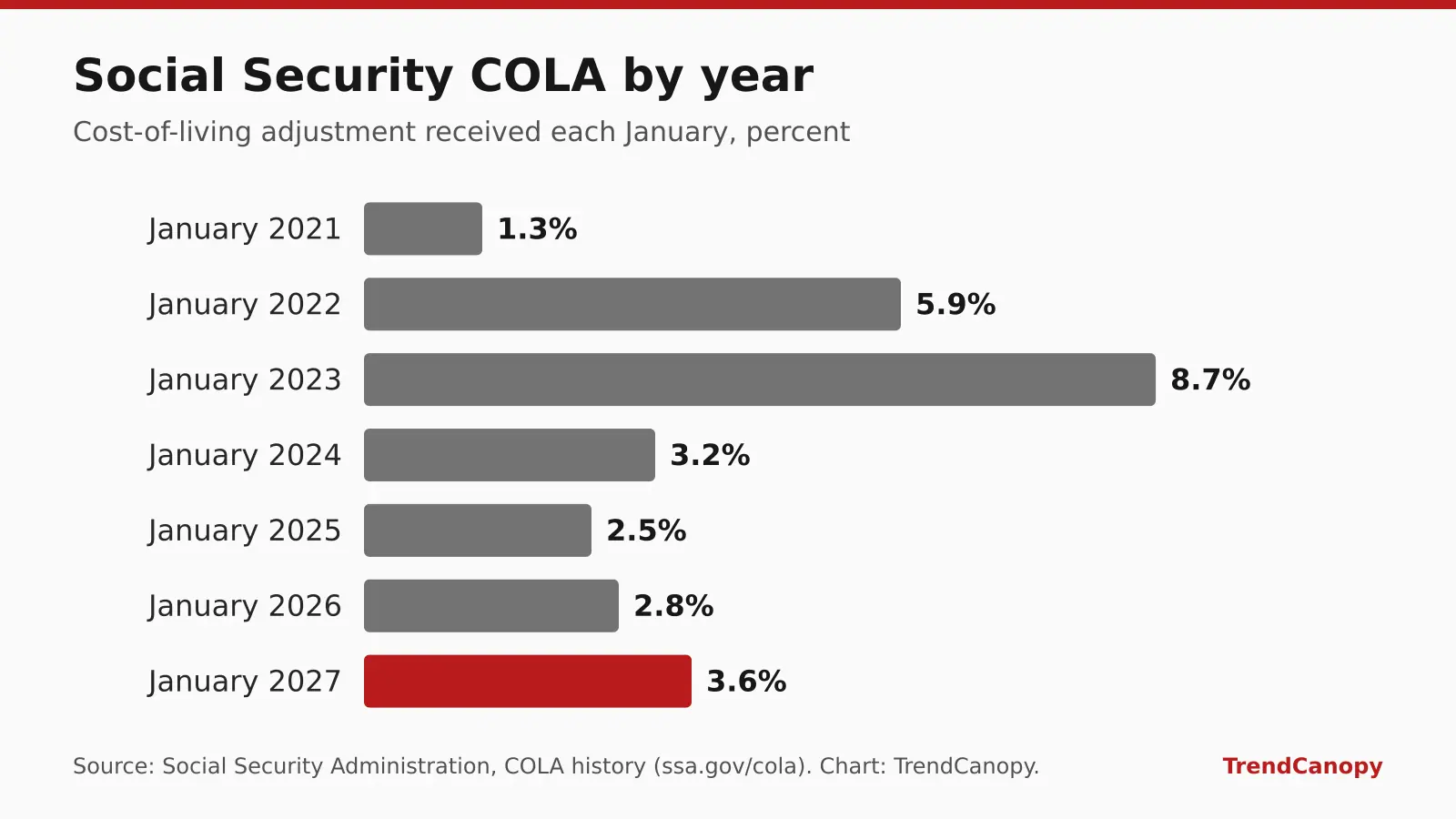
There's no SSI payment in November: it arrives early on Oct. 30. Here's the full payment schedule and what the 3.6% COLA for 2027 means for your check.

Anthropic IPO: Key Numbers From the Claude Maker's S-1
Anthropic filed to go public on Nasdaq as ANT. Here are the revenue, loss, compute deals and governance details from the S-1, and what happens next.